Fabric is the decision behind every other dress decision — it decides whether the dress wrinkles in a suitcase, survives a summer, or photographs like a candlelit dinner. Yet most dress descriptions bury it in a parenthesis. This guide decodes the four fabrics that cover most wardrobes: cotton, ribbed knits, satin and denim — what each is, what each costs to maintain, and what each is actually for.
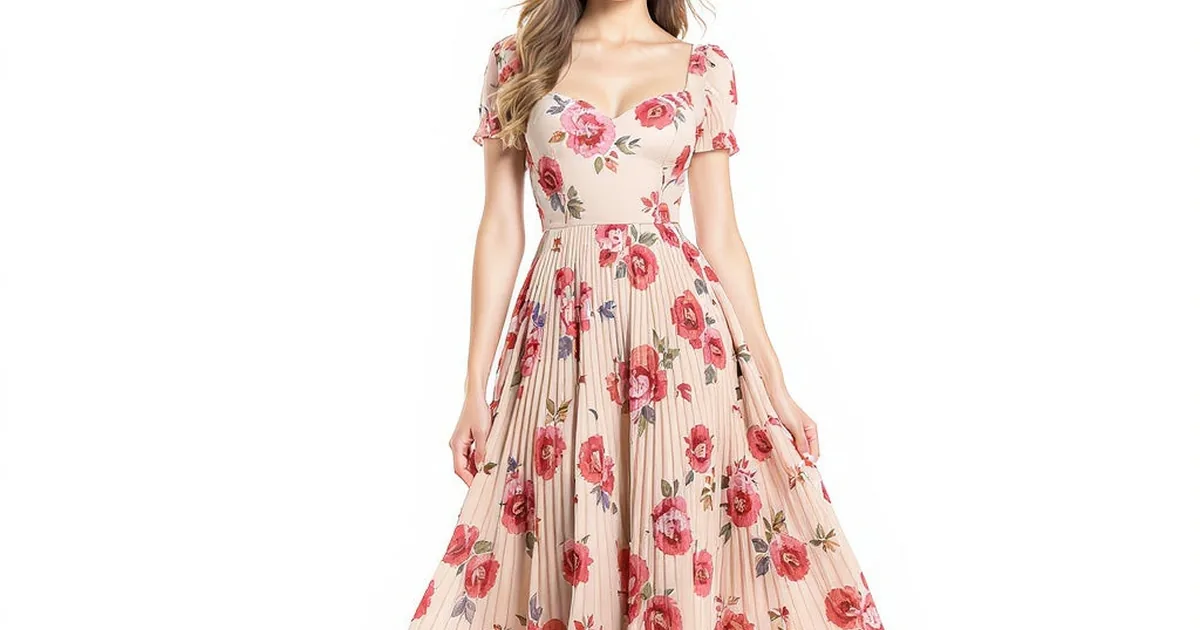
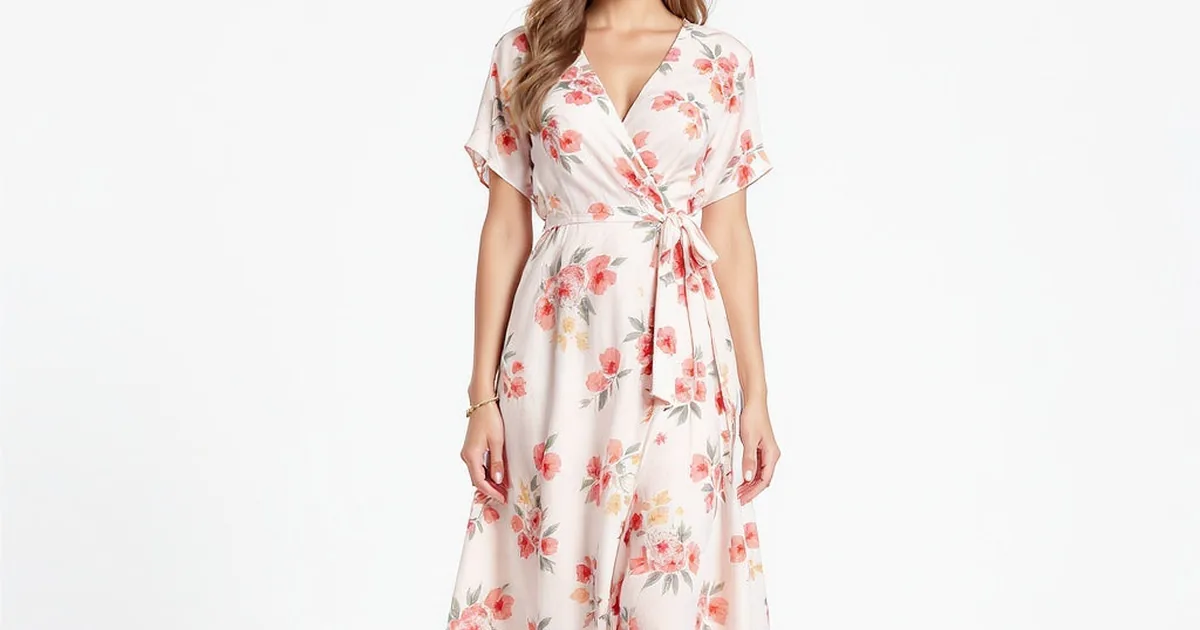
Cotton is breathable, washable and matte — the fabric equivalent of a friend who never complicates anything. It absorbs sweat instead of repelling it, which makes it the summer answer, and it survives decades of machine washing. The trade-offs: it wrinkles (pack it rolled, not folded), it shrinks a half-size on first hot washes, and heavier cottons hold structure while voiles and poplins drape soft. Our cotton sundresses and tee dresses use mid-weight cottons that wash hard and wear easy — the dresses that get worn most and thought about least.
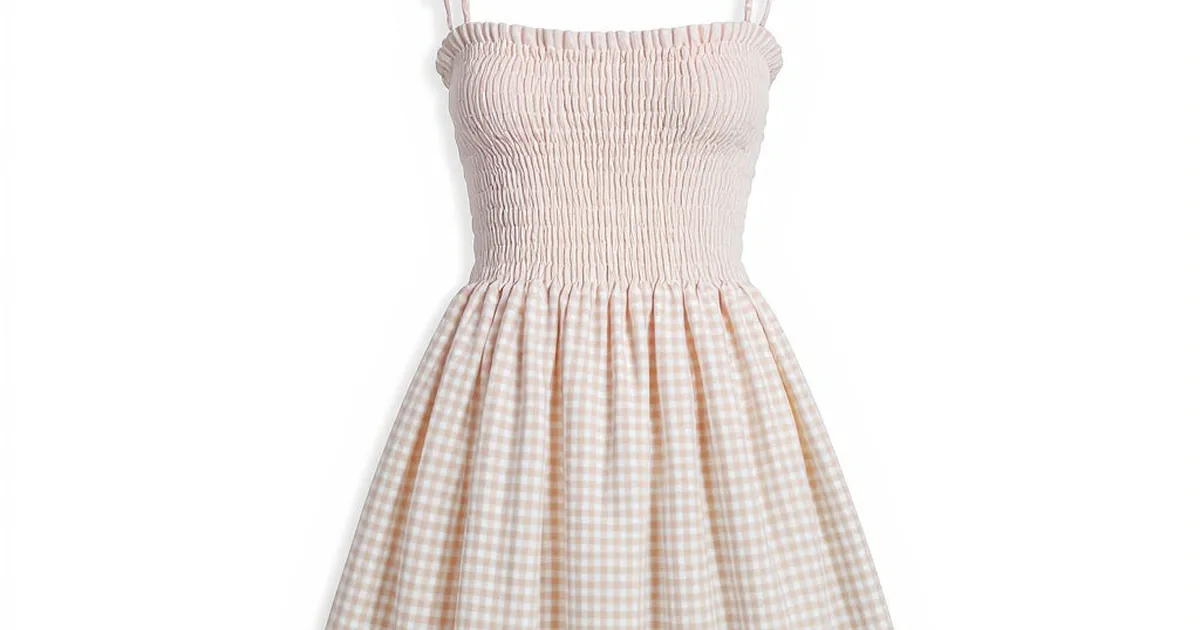
Smocked and shirred cotton adds stretch where the dress needs it — the bodice flexes, the fit forgives, and the dress pulls on without a zipper. It is the reason smocked sundresses fit such a wide size range and why they pack to nothing for vacation.
Viscose and polyester blend knits — especially ribbed ones — stretch over the body and hold their shape through a full day. Ribbing is not just texture: the vertical lines wick the eye up and down (flattering), and the rib structure resists wrinkling entirely (a suitcase-to-dinner fabric). The care rules: wash cool, hang dry, and never iron — heat kills the stretch. Our ribbed bodycon midis live in this category: the fit shows everything, so the fabric's recovery matters more than in any other dress type.
Viscose breathes better and drapes softer; polyester holds shape longer and dries faster. Most knit dresses blend the two for exactly that reason. Pure viscose wrinkles less than cotton but more than poly; pure poly traps heat. The blend ratio on the label is the honest tell of which way the dress leans.
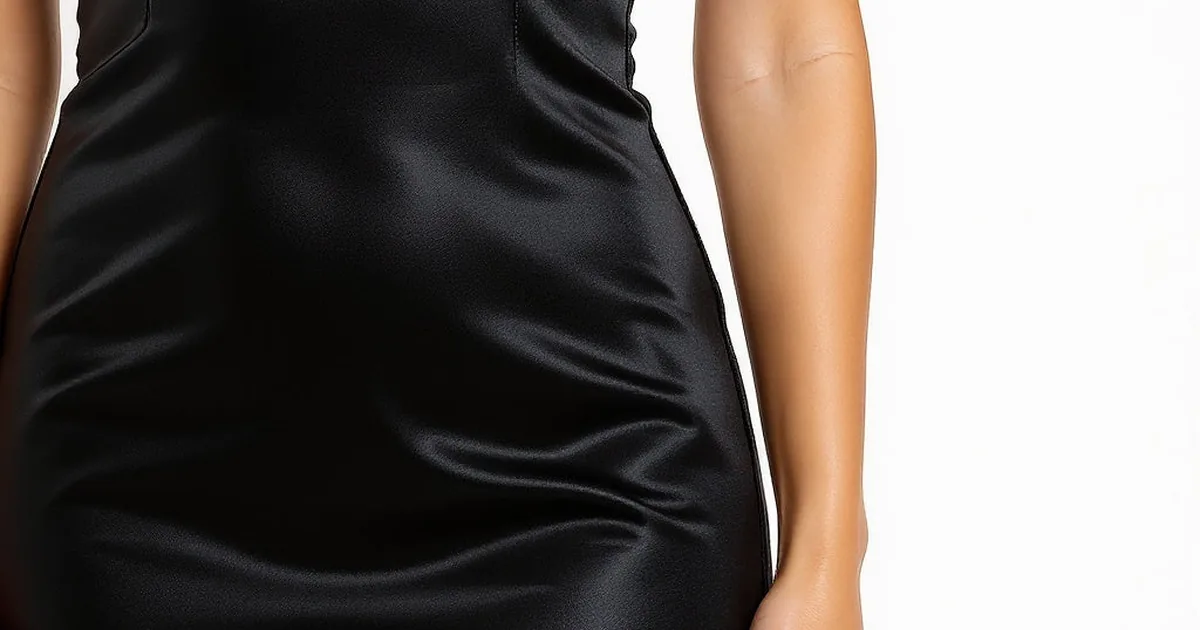
Satin is a weave, not a fiber — usually polyester woven to shine on one face. That shine is the entire point: satin catches light the way matte fabrics cannot, which is why it owns the evening category. It drapes liquid-heavy (flattering on every body), resists wrinkles while worn, and photographs like a dream. The honest costs: it shows sweat and water spots, snags on rough surfaces, and wants hand-washing or a delicate cycle. Our satin slip midis are the category's purest expression — the dress equivalent of jewelry.
Denim dresses are cotton with a spine: the twill weave holds shape, deepens the indigo's character with wear, and outlasts every other fabric here. Button-front denim midi dresses — like the medium and dark wash styles — read as shirt dresses with armor. The costs: real weight, slow drying, and indigo that croaks onto light upholstery the first few wears. Wash inside-out, cold, and hang — denim rewards neglect.
The label tells you how the dress will age, if you know the three tells. First: elastane percentage — 2–5% means real stretch and recovery, and the higher the number, the cooler the wash must stay. Second: viscose position — listed first, the fabric breathes and drapes but shrugs off structure in humidity; listed after polyester, the dress keeps shape but runs warmer. Third: lining — a lined bodice (common in satin and floral dresses) means opacity and structure that the shell fabric alone cannot provide. A 60-second label read predicts the dress's next three years more accurately than any product photo.
Cotton: breathable, washable, wrinkles; for summer and weekends.
Ribbed knit: stretchy, wrinkle-proof, shape-holding; for office and events.
Satin: light-catching, draping, delicate; for evenings.
Denim: structured, durable, heavy; for transitional weather and edge.
Hot climate or wash-and-wear priority: cotton. Office-heavy calendar or travel: ribbed knits. A social season of dinners: satin. Cool mornings and personal style with an edge: denim. Most wardrobes want one of each — the midi collection is sorted so you can shop by fabric instead of guessing from thumbnails. Buy the fabric for the life, and the dress follows.