The midi dress is the hardest-working piece in a modern wardrobe — one garment that covers a grocery run, an office day and a dinner reservation. But the label says nothing: a wrap midi and a bodycon midi are different garments that happen to share a length. This guide walks through the five decisions that matter when buying one: silhouette, fabric, fit, occasion and color — in the order that actually narrows the choice.
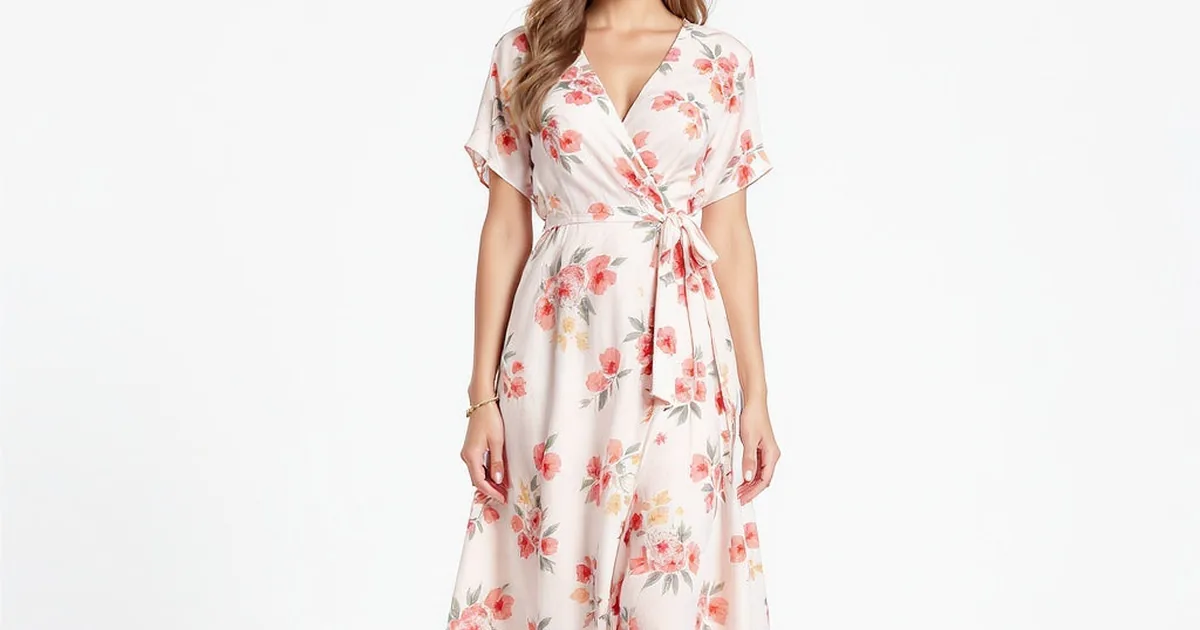
Four silhouettes cover nearly every midi dress on the market, and each flatters differently. The wrap dress cinches at the waist and opens at the neckline — the most universally flattering cut in dresses, and the easiest to wear across body changes. The bodycon midi is the opposite strategy: a second-skin knit that shows the body it follows. The A-line skims from the shoulder and swings at the hem — the most forgiving cut and the most office-safe. The shirt dress borrows a button-front and a collar, splitting the difference between polished and easy.
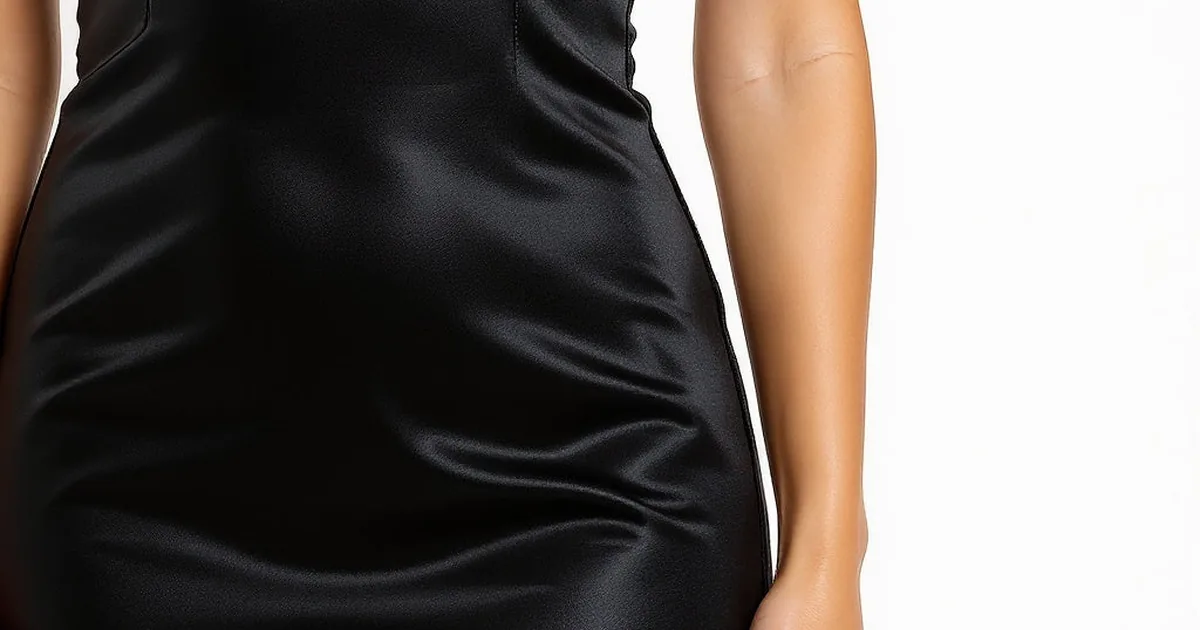
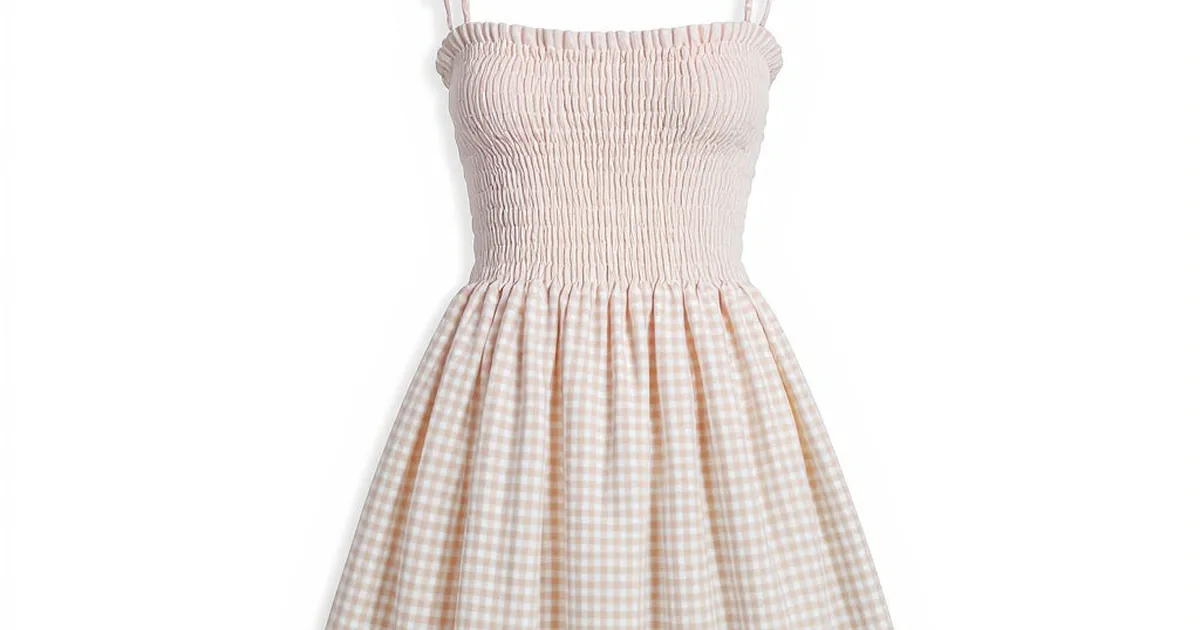
Want the waist emphasized? Wrap or smocked styles do it structurally, no shapewear required. Want the waist forgotten? A-line and oversized cuts skim it entirely. Want the shape shown? Ribbed knits and satin slips follow every line — buy your true size, because stretch sizes down honestly. There is no wrong answer; there is only what you want emphasized on the day you wear it.
Cotton breathes and washes hard — it is the summer and weekend answer, like the smocked cotton sundresses that pack for vacation without wrinkles mattering. Viscose and polyester knits stretch, hold shape through a workday, and travel well. Satin is the evening fabric: it catches light in a way matte fibers cannot, which is why the satin slip dresses exist for dinners and events. One honest caveat — satin shows every crease, so it wants hanging, not folding.
A midi dress lives or dies at three points. The waist seam or cinch should sit at your actual waist, not your hips — check where the smocking or wrap tie lands in the photos. The hem should hit mid-calf, the most flattering zone on the height spectrum: long enough to read as dressed, short enough to move. And the shoulder — on fitted styles, the seam should sit on your shoulder point; on oversized cuts, ignore this entirely and let the drop happen.
Midi means different hem heights on different bodies — the same 110cm dress hits mid-calf at 5'6" and lower-shin at 5'2". Neither is wrong, but the styling changes: lower hems pair with flats or sneakers to keep the look current, mid-calf hems take heels or flats happily. If you are between heights in sizing charts, the taller measurement wins for midi lengths — a too-short midi reads as a failed maxi, while a longer one reads intentional.
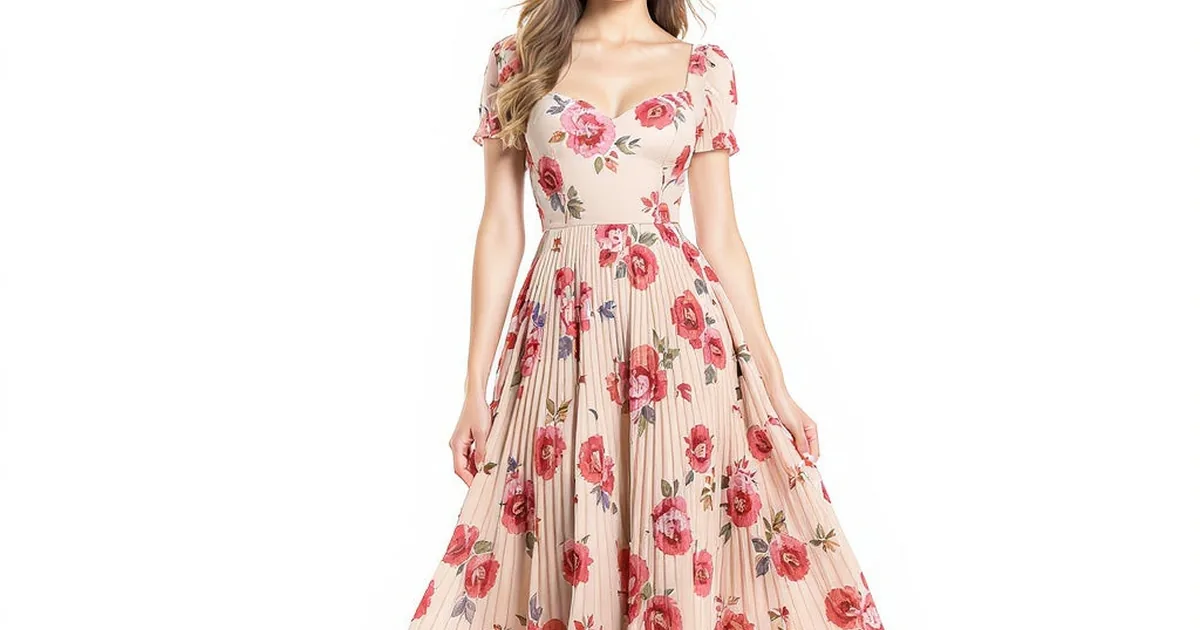
Office: A-line or shirt dress in a matte fabric, hem at or below mid-calf, sleeves or a sleeve-plus-cardigan. Weekends: cotton smocked or oversized tee styles with sneakers. Dinners and events: ribbed knit bodycon or a satin slip with the right accessories. Weddings as a guest: floral wrap or pleated A-line — check the dress code, and never white. One capsule of three dresses — one wrap, one cotton casual, one satin — covers a full calendar.
Solids are the capsule's grammar — they layer, they repeat, they behave under every accessory. Prints are the vocabulary that makes an outfit memorable, and florals are their workhorse: a print hides wrinkles, carries a daytime event alone, and reads as effort without any styling at all. The honest trade: prints date faster and pair with fewer layers, so the capsule's permanent slots lean solid while the wildcard slot takes the print risk. One of each — a solid wrap and a floral wrap — answers both the calendar and the camera.
First navy or black — the color that repeats across every occasion list above. Second a print you love (florals earn their keep here), because prints hide wrinkles and carry daytime events. Third the accent: emerald, dusty rose, gingham — the piece that makes getting dressed fun. Our under-$35 collection is the low-risk place to experiment with the third category.
The right midi dress is the one that answers the day's actual question: comfort, polish or presence. Choose silhouette first, fabric for the calendar, fit at the three points — and the length debate takes care of itself. Browse by silhouette — wraps, knits, cottons — and let the calendar pick the fabric.