Dresses fail from care before they fail from wear — a $45 midi washed wrong ages faster than a $200 one washed right. The entire discipline is a fabric-by-fabric cheat sheet plus a stain playbook, and it fits on a phone note. Here is the complete routine: washing, drying, storage and the rescues that save a dress from the sins of a weekend.
Cotton dresses — the sundresses and tee styles — take the most forgiving care in the wardrobe: machine wash cool or warm, regular cycle, and tumble dry low if you accept a little shrinkage. The two rules that matter: wash with like colors the first three times (indigo and bright dyes migrate), and remove promptly from the dryer — cotton wrinkles set with heat and time. Hang or fold while warm and most cottons need no iron at all.
Cotton shrinks most in its first two washes and mostly in length. If a cotton dress fits perfectly before washing and you fear the dryer, hang-dry it — the fabric relaxes back into shape while worn, and the length stays honest.
Viscose and polyester knits — the ribbed bodycon styles — ask for three things: cold water, gentle cycle, and air drying flat or hung. Heat is the enemy; it degrades the elastane that gives the rib its recovery, and once stretched, a knee or elbow never springs back. Never wring a knit — roll it in a towel to blot, then hang. Stored folded rather than hung, heavy knits keep their shoulder line; light ribbed dresses hang fine on padded hangers.
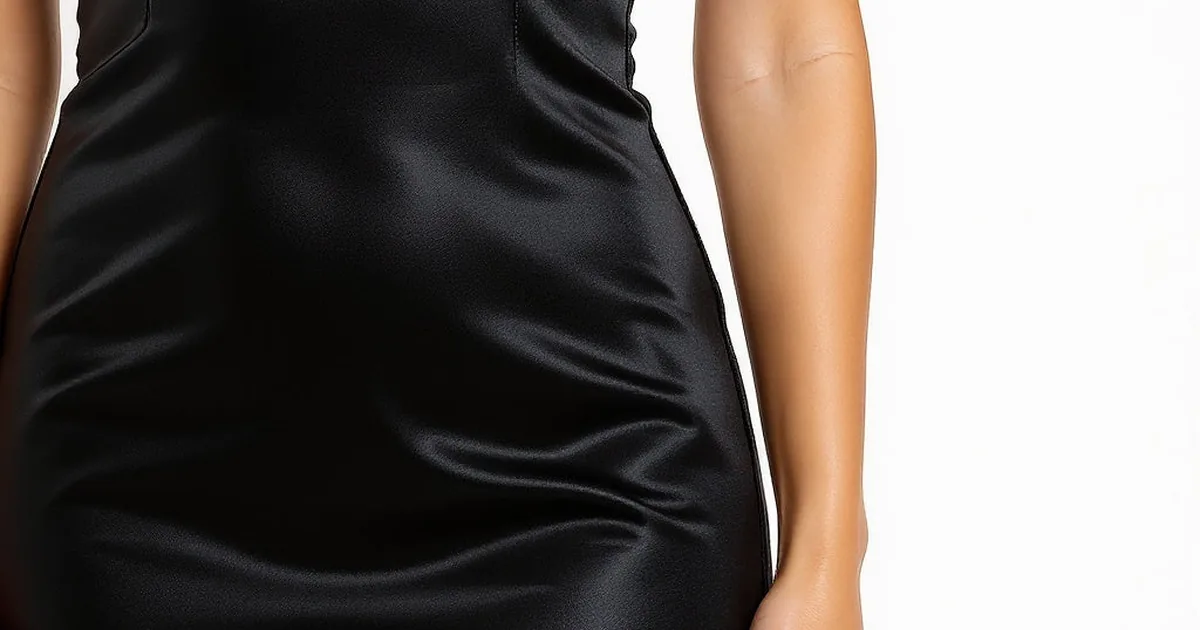
Satin slip dresses — the evening styles — want hand-washing in cool water with a drop of gentle detergent, or a mesh-bag delicate cycle if the label permits. Never twist, never wring, never iron directly: steam from the shower or a cool iron over a cloth releases creases. Hang on padded hangers — wire hangers push shoulders out of shape — and give satin space in the closet, because it snags on everything, including other dresses' zippers.
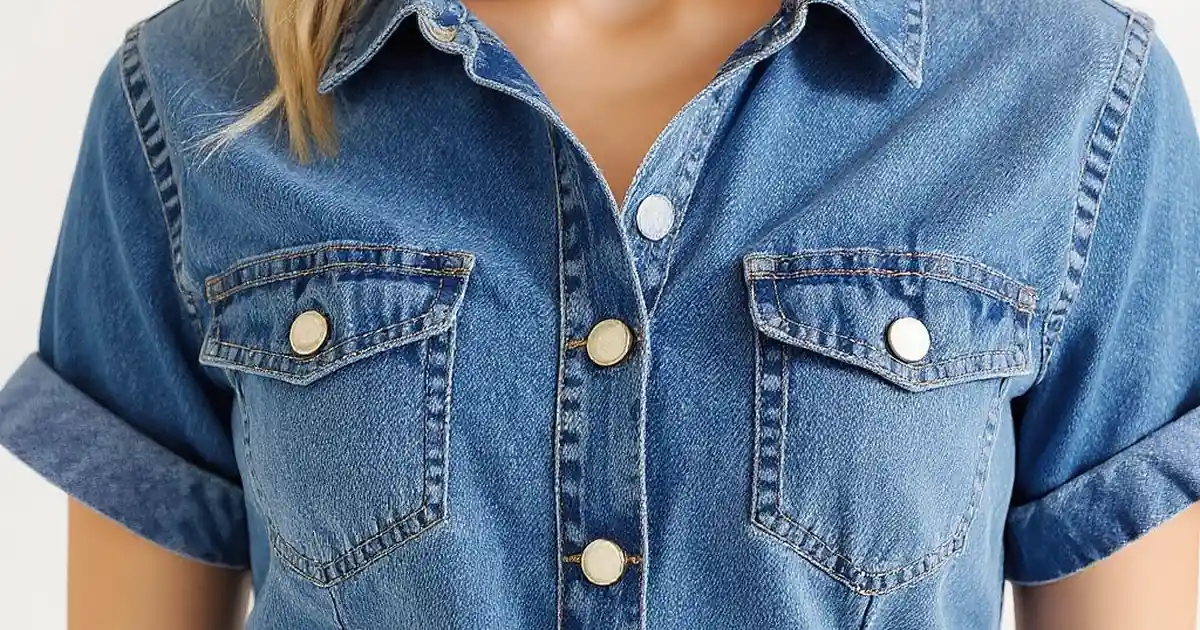
Denim dresses — like the button-front washes — reward the laziest routine in fashion: wash rarely, cold, inside-out, and hang dry. Every wash fades indigo; the fade is part of denim's story, but you choose its pace. Spot-clean between washes with a damp cloth, and wash only when the dress honestly needs it — for most wearers, that is every four or five wears.
Oil and salad dressing: dish soap directly on the spot, worked in with fingers, rinsed — before the wash, not after.
Wine: blot (never rub), salt the spot if away from home, then cold water and dish soap at home.
Makeup: micellar water on a cotton pad lifts foundation from collars and wrap ties remarkably well.
Sweat: a paste of baking soda and water on underarm areas before washing reverses the yellowing that heat sets.
Unknown stains: cold water soak first — hot water sets protein stains permanently.
Two honest warnings from the label-reading desk. First: viscose weakens when wet — a viscose-heavy knit washed on a harsh cycle can tear at the seams under its own waterlogged weight, which is why the gentle cycle and the towel-roll trick matter more for knits than for anything else. Second: polyester satins melt under direct iron heat — a single careless press leaves a shiny permanent mark. When in doubt, steam. When in more doubt, hang the dress in the bathroom during a hot shower and let the fog do the work. Neither warning applies to cotton or denim, which is part of why they remain the wardrobe's forgiving fabrics.
Knits fold; structured and satin pieces hang on padded hangers. Seasonal storage wants clean dresses (soil invites moths), breathable garment bags (never sealed plastic), and a dry closet — cedar blocks beat mothballs in every way including smell. The dresses you reach for weekly live at eye level; the satin slips for next season live higher, in their bags, waiting for their nights.
Care is fabric-specific, not generic: cotton forgives, knits fear heat, satin wants gentleness, denim wants neglect. Learn each fabric's one rule, keep the stain playbook handy, and the dresses you buy this season still look like the photos in three years — which is the quietest form of style there is.